 It was held on the 64th anniversary of the National Day (September 2) and 65th anniversary of the establishment of the Vietnam People’s Army.
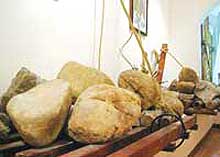
The exhibition displays 716 weapons made by Vietnamese
soldiers and citizens dating back to 1930. The exhibit includes a
variety of firearms and explosives that vary in design, features and
size. The modest weapons helped contribute to the victories in wars with
France and the US that led to the liberation of the country.
Each displayed weapon is provided with supplemental materials,
eye-witness accounts, and instructions for use, said Major-General Le Ma
Luong, director of the museum.
When the exhibition wraps up, the museum will co-operate with local museums in different regions to display the weapons.
“The museum also plans to work with museums in Austria, Belgium and
Germany to exhibit the items abroad with the aim of introducing and
popularising modest weapons, the strong will, creativeness, intelligence
and self-reliance of the Vietnamese people and its army. It also
reflects the profoundly unique strategy of Vietnamese military framework
and art,” says Luong.
Vietnam
was a small country, but had to deal with enemies whose economic and
military potential were much more powerful. Under such circumstances, to
defeat the enemies and defend the fatherland, generations of Vietnamese
people united as one relying on clement weather, favourable terrain and
solidarity among the people.
The people and army ingeniously contrived primitive weapons from
readily available materials from all over the country, such as: bamboo,
wood, stone, steel, and poisonous leaves. They were also able to make
explosive mines, bombs, and ammunition from equipment that was captured
from the enemy.
While the explosives were primitive, they were still powerful enough
to destroy enemy tanks, armoured vehicles and check-points. They were
produced by a variety of Vietnamese citizens throughout the country.
The exhibition displays unique items such as guerrilla Nguyen Thi
Chien’s shoulder pole. Chien was famous for the legendary courage she
displayed when fighting foreign enemies.
One exhibit describes special traps made by Doan Van Chia, who kept
bees and trained them to sting American soldiers. When they were stung,
they would fall down other traps made by Chia.
Both French and American soldiers still suffer from post-traumatic
stress thanks to the fear instilled by these weapons. These weapons were
so effective that in some areas they were said to account for up to 50%
of American casualties.
In Vietnam, the creation, production and usage of home-made, primitive weapons are part of the unique military-cultural heritage of Vietnam. The use and effectiveness of such weapons is one of legendary characteristics of the Vietnamese people against the American war.
All 716 items displayed at the exhibition will be documented in a book set to be released in December.
The exhibition will remain open until the end of this year.